
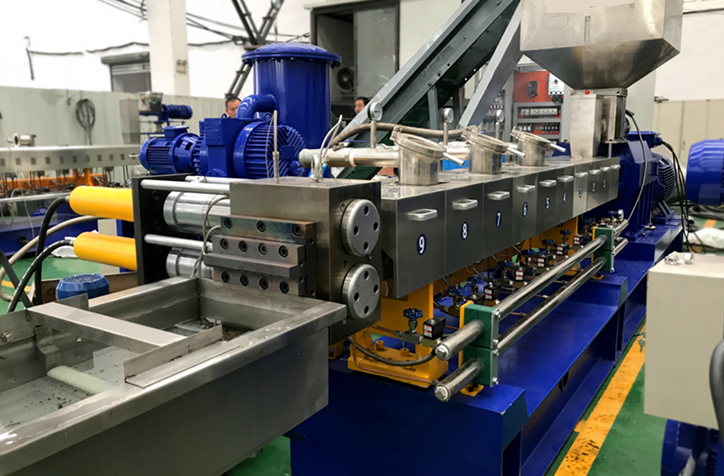
In the face of escalating environmental concerns globally, plastic recycling has emerged as a critical focus for sustainable development. Sri Lanka, like many other countries, is actively seeking advanced technological solutions to address plastic waste management challenges. Recently, significant advancements in plastic recycling machinery and extrusion technology have been making notable impacts in the region, driven by the integration of cutting-edge equipment, comprehensive services, and innovative research.
One of the key contributors to this transformation is a leading manufacturer and supplier of plastic extrusion and recycling equipment headquartered in Suzhou, China. Suzhou Polytec Machine Co., Ltd. specializes in the research, design, manufacturing, and promotion of sophisticated plastic recycling and extrusion machinery. Their integrated service model encompasses not only product development but also installation, commissioning, and comprehensive after-sales support. This holistic approach ensures clients receive tailored solutions responsive to their specific recycling needs while maintaining ongoing operational efficiency.
The company’s dedication to research and development plays a pivotal role in advancing plastic recycling technology. With a focus on innovation, they continuously refine their machinery to enhance processing capabilities, improve energy efficiency, and support the recycling of diverse plastic waste streams. By applying scientific principles and state-of-the-art engineering, their equipment can efficiently convert discarded plastics into reusable raw materials, facilitating circular economy initiatives.
Sri Lanka’s plastic waste challenge is multifaceted, driven by increasing urbanization, consumer demand, and inadequate waste management infrastructure. Traditional recycling methods have struggled to keep pace, resulting in plastic pollution accumulating in landfills, waterways, and coastal areas. Against this backdrop, the introduction of advanced recycling technologies and machinery tailored for local conditions is a crucial step toward mitigating environmental pollution and promoting resource recovery.
The deployment of extrusion and recycling equipment capable of handling various plastic types—including polyethylene (PE), polypropylene (PP), polyethylene terephthalate (PET), and others—allows Sri Lankan recycling facilities to diversify their processing capabilities. Such flexibility is instrumental in managing complex waste streams, including contaminated and mixed plastics, which have historically posed challenges for recyclers. Improved sorting and shredding systems integrated with the extrusion machines further optimize material preparation, resulting in higher-quality recycled pellets suitable for manufacturing new plastic products.
Moreover, energy efficiency and automation components embedded within the equipment contribute to lower operational costs and reduced carbon footprints. For developing countries like Sri Lanka, these factors are essential for making recycling economically viable and environmentally responsible. The availability of after-sales service, including preventive maintenance and technical upgrades, ensures the longevity and reliability of the machinery, thereby safeguarding continuous production and supporting sustainable business models.
The expanding collaboration between Sri Lankan recycling enterprises and international manufacturers underscores a growing commitment to embracing innovation in the waste management sector. Knowledge transfer and training initiatives have accompanied equipment installations, empowering local operators with the necessary skills to optimize machinery performance and troubleshoot technical issues. This synergy fosters capacity building and promotes the development of best practices in plastic recycling processes.
Importantly, these advancements do not merely address environmental concerns but also create socio-economic benefits. By enhancing recycling efficiency, new job opportunities arise in machine operation, maintenance, material sorting, and quality control. Additionally, producing high-grade recycled plastics stimulates downstream industries, encouraging the manufacture of eco-friendly products and contributing to national economic development goals. In this way, eco-innovation becomes a catalyst for inclusive growth.
Looking ahead, the continuous evolution of plastic recycling technology remains vital as global plastic consumption grows. Emerging trends such as integrating artificial intelligence (AI) for material sorting, adopting renewable energy sources for operations, and developing biodegradable plastic recycling compatibility are poised to further revolutionize the industry. As a dedicated player in this sector, the Suzhou-based manufacturer is actively exploring these avenues through robust R&D efforts, ensuring their machinery remains at the forefront of sustainable plastic recycling solutions.
In conclusion, the infusion of advanced plastic recycling and extrusion machinery into Sri Lanka’s waste management framework marks a significant milestone in the country’s journey toward environmental sustainability. By leveraging the expertise of leading equipment manufacturers equipped with a comprehensive suite of services—from research and design to after-sales support—Sri Lanka is well-positioned to tackle plastic pollution challenges effectively. This partnership exemplifies how technology, innovation, and collaboration can collectively advance circular economy principles, fostering a greener future for Sri Lanka and beyond.