
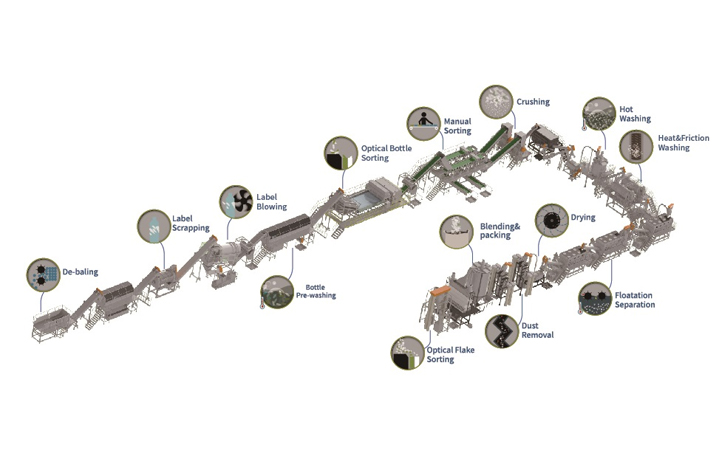
In today’s rapidly evolving industrial landscape, the importance of sustainable practices and efficient waste management cannot be overstated. Among various recycling technologies, plastic shredding machines play a pivotal role in managing plastic waste, facilitating recycling processes, and contributing to environmental preservation. As demand for recycling equipment surges globally, understanding the cost dynamics of plastic shredder machines and the expertise behind leading manufacturers becomes essential for businesses and stakeholders invested in plastic recycling.
### Understanding Plastic Shredder Machines and Their Importance
Plastic shredder machines are specialized industrial equipment designed to reduce the size of plastic waste materials by shredding them into smaller pieces. This process not only optimizes the efficiency of subsequent recycling operations—such as extrusion and pelletizing—but also minimizes transportation costs and storage space. These machines vary in size, capacity, and technology, ranging from small, mobile units suitable for limited output operations to large-scale shredders designed for heavy industrial use.
The applications of plastic shredders span multiple sectors, including manufacturing, waste management, and plastic recycling facilities. With increasing global regulatory pressures to curb plastic pollution, industries are prioritizing the adoption of plastic shredder machines as a foundational element in their recycling infrastructure.
### Plastic Shredder Machine Cost – What Factors Influence Pricing?
The cost of plastic shredder machines depends on multiple factors that influence their design, capacity, and operational efficiency:
1. **Machine Size and Capacity:** Larger shredders with higher throughput capabilities command higher prices. Businesses must evaluate their processing needs carefully to select machines that balance capacity with budget.
2. **Material and Build Quality:** High-quality materials and robust construction increase the durability and lifespan of the machine but also add to the initial investment.
3. **Cutting Technology:** Advanced cutting mechanisms and blade configurations that improve shredding efficiency and reduce downtime can affect the price.
4. **Automation and Control Systems:** Machines equipped with sophisticated control units, safety features, and automation options tend to have higher upfront costs but deliver greater operational convenience and safety.
5. **Customization:** Tailoring shredders to specific types of plastics, feed mechanisms, or integration with existing lines often involves additional engineering and cost.
6. **After-sales Support and Warranty:** Comprehensive service packages, including installation, commissioning, and maintenance support, factor into the total investment.
### Leading Manufacturer Profile: SuZhou Polytec Machine Co., Ltd.
A notable player in the plastic extrusion and recycling equipment sector is SuZhou Polytec Machine Co., Ltd. The company stands out due to its comprehensive approach to research, design, manufacturing, and after-sales service in plastic recycling and extrusion technology.
SuZhou Polytec prides itself on integrating multiple facets of product development—from initial R&D through to final installation—ensuring superior equipment performance and customer satisfaction. Their commitment to innovation has enabled the development of plastic shredder machines tailored to diverse customer needs, including machines that balance operational efficiency with cost-effectiveness.
The company’s expertise in extrusion and recycling machinery makes it a preferred partner for enterprises looking to streamline their plastic recycling operations through high-quality shredding solutions. Their emphasis on advanced technology and customized machine offerings helps industries reduce plastic waste effectively while optimizing the recycling cycle.
### Market Trends and Future Outlook
Increasing global awareness of plastic pollution, coupled with stringent environmental regulations, continues to drive investment in plastic recycling technologies. This trend fuels steady growth in demand for plastic shredder machines and related equipment.
Technological advancements are also rapidly transforming this industry segment. Innovations focusing on improving shredder design for higher throughput, energy efficiency, and noise reduction are becoming standard expectations. Furthermore, integration with digital monitoring systems allows enhanced predictive maintenance and operational analytics, reducing downtime and lifecycle costs.
Another emerging trend is the growing interest in circular economy principles, where plastic producers and recyclers collaborate closely to ensure maximum material recovery and reuse. In this context, shredder machines serve as a critical link in closing the loop of plastic lifecycle management.
### Conclusion
The cost of plastic shredder machines varies significantly based on several technical and operational factors, impacting investment decisions across the recycling sector. Choosing the right equipment requires not only an assessment of shredding capacity and budget but also consideration of manufacturer expertise, technology robustness, and service support.
Companies like SuZhou Polytec Machine Co., Ltd. exemplify how commitment to innovation, quality manufacturing, and end-to-end service can empower businesses to meet their plastic recycling objectives efficiently and sustainably. As the global push for sustainable plastic management intensifies, the role of advanced plastic shredder machines—and the companies behind them—will become increasingly vital in shaping a cleaner, more responsible industrial future.