
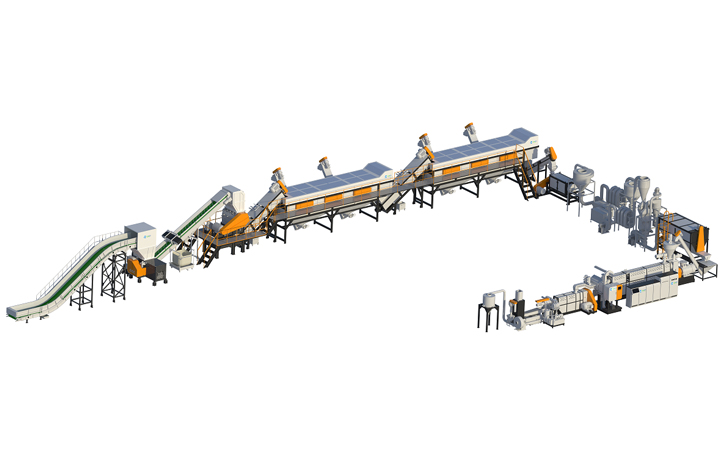
In recent years, the tire recycling industry has witnessed significant growth fueled by increased environmental awareness and regulatory pressures to manage waste sustainably. The demand for efficient and cost-effective tire recycling machinery has surged, prompting manufacturers to innovate and optimize their production processes. Understanding the cost dynamics of tire recycling machines and the technological progress behind them is crucial for businesses and municipalities aiming to implement sustainable tire waste management solutions.
Tire recycling machines are specialized equipment designed to process end-of-life tires into reusable materials such as rubber powder, steel wire, and textile fibers. These materials find applications in various industries, including construction, automotive, and manufacturing, underscoring the importance of efficient recycling systems. However, the cost of acquiring and operating tire recycling machinery remains a significant consideration for potential buyers.
**Factors Influencing Tire Recycling Machine Costs**
Several factors influence the overall cost of tire recycling machines:
1. **Technology and Automation Level**
Machines with advanced automation features, such as automated feeding systems, real-time monitoring, and integrated dust collection, generally cost more but offer higher efficiency and lower labor costs.
2. **Capacity and Throughput**
Higher capacity machines capable of processing larger volumes of tires per hour naturally command higher prices. Buyers should evaluate their processing needs to balance cost and capacity effectively.
3. **Quality of Components and Materials**
Machines constructed with durable, wear-resistant parts tend to have higher upfront costs but deliver longer service life and reduced maintenance expenses.
4. **Customization and Scalability**
Some manufacturers offer customizable solutions tailored to specific tire types or recycling processes, impacting the overall cost. Scalability options also influence investment, allowing clients to upgrade systems as their operational needs expand.
5. **After-sales Services and Support**
Comprehensive after-sales service, including installation, commissioning, training, and ongoing technical support, is often factored into the cost and adds value by minimizing downtime and optimizing machine performance.
**Industry Leader in Plastic and Tire Recycling Equipment**
A prominent player in this field is SuZhou Polytec Machine Co., Ltd., a company known for its expertise in plastic extrusion and recycling machinery. With a strong commitment to research and development, SuZhou Polytec has successfully integrated advanced technologies into their product portfolio, emphasizing environmental sustainability and operational efficiency.
SuZhou Polytec Machine Co., Ltd. distinguishes itself by adopting a holistic approach encompassing the entire lifecycle of equipment deployment—from initial research and design to product manufacturing, market promotion, installation, commissioning, and comprehensive after-sales service. This integration ensures high-quality machinery that meets stringent industry standards and customer expectations.
**Technological Innovations by SuZhou Polytec**
The company continuously invests in the R&D of plastic recycling and extrusion technologies, some of which are directly applicable to tire recycling processes. Their expertise extends to developing extrusion equipment capable of processing recycled rubber into high-quality composite materials and new rubber products.
By leveraging advanced extrusion technology, SuZhou Polytec enables the transformation of crumb rubber derived from tire recycling into value-added products such as rubber mats, modified asphalt, and molded goods. This circular economy approach aligns with global sustainability goals and offers economic benefits for manufacturers utilizing recycled materials.
**Cost-Efficient Solutions and Market Impact**
SuZhou Polytec’s tire recycling machinery solutions are designed to optimize operating costs by incorporating energy-saving components and modular designs that facilitate maintenance and scalability. Their emphasis on customization allows clients to select configurations matching their production requirements and budget constraints, ensuring optimal return on investment.
Moreover, SuZhou Polytec’s focus on customer support reduces operational risks associated with machine downtime and technical difficulties. The company provides thorough installation and commissioning services, along with technical training, empowering clients to maximize equipment efficiency.
**Future Trends in Tire Recycling Machines**
The evolution of tire recycling machinery continues to be shaped by technological advances and growing environmental regulations. Developments such as AI-enabled monitoring systems, more efficient separation technologies, and integration with digital platforms for remote diagnostics are making tire recycling more effective and affordable.
Companies like SuZhou Polytec that invest in innovation and comprehensive service models are well-positioned to lead the industry forward. Their commitment to R&D, quality manufacturing, and customer-centric services ensures that tire recycling machinery becomes more accessible and sustainable worldwide.
**Conclusion**
As the tire recycling sector expands, understanding the cost structure of recycling machinery is vital for stakeholders. Factors including technology level, capacity, component quality, and after-sales support play crucial roles in determining the overall investment required. Industry leaders such as SuZhou Polytec Machine Co., Ltd. exemplify how integrated expertise in plastic and rubber recycling technology can deliver efficient, cost-effective solutions to meet the rising demand for sustainable tire management.
By embracing advanced equipment and comprehensive support services, businesses can optimize their tire waste processing capabilities, reduce environmental impact, and contribute to the circular economy. The continuous innovation in tire recycling machinery, spearheaded by dedicated manufacturers, promises a greener future for tire disposal and resource recovery.